

Hidradenitis Suppurativa: Painful Skin Lumps in Sweat Gland Areas

Verified By
KIMS-SUNSHINE
Specialist,
17 March, 2026
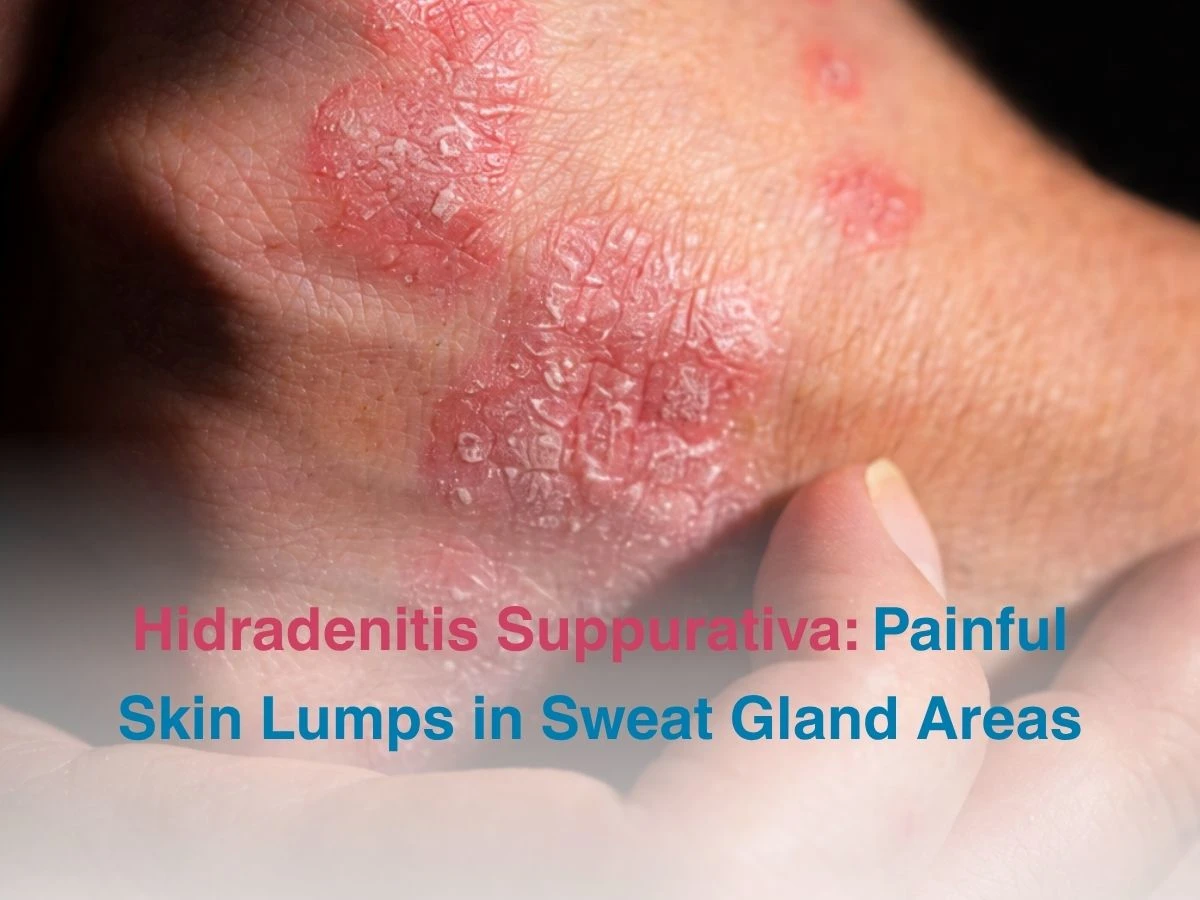
Hidradenitis Suppurativa (HS) is a condition that affects the hair follicle cells. It is autoinflammatory in nature and is chronic in nature. It has no permanent cure, which is why managing symptoms needs to be a priority in the long term. It is also called acne inversa and it is characterised by painful boils due to blocked sweat glands. It can hence affect many different parts of the body. If you have recurrent skin abscesses or have chronic skin inflammation, you should call a dermatologist at KIMS Sunshine- as we are the best dermatology hospital in Hyderabad.
Hidradenitis Suppurativa Causes To Know Of-
HS skin disease is an inflammatory skin condition and is more common in women than men. The other well known causes include-
- Having hirsutism or too much hair growth
- Major fluctuations in sex hormones can be a trigger- like at puberty or menopause.
- If you are obese
- If you tend to smoke often
Hidradenitis Suppurativa Symptoms-
HS skin disease can cause different types of growths on the skin- in the form of hard nodules which grow just beneath the skin, abscesses or a pus filled growths and even sinus tracts- where passages form between already present abscesses and the skin surface.
HS skin disease boils are commonly found in areas where you sweat a lot- like the armpits, butt, groin, thighs, genital area, inner thigh, the nape, waist or the crease below the breasts, among others. You may also notice painful skin lumps in armpits, recurrent skin abscesses and skin tunnels and scarring.
All of these occur due to chronic skin inflammation, which is caused by damaged follicle cells which can also lead to blocked sweat glands in some cases.
If you notice symptoms like too much pus, severe pain in the affected regions of the body, fever, or redness that spreads quickly from the lumps- you should get medical help.
Hidradenitis Suppurativa Diagnosis-
A proper physical examination and medical history will be taken where you will explain in detail about all the symptoms you have had or are having at present.
- Blood tests are recommended to check for signs of recurrent inflammation or infection.
- Imaging- like an MRI or an ultrasound can be used to visualise abscesses and extent of scarring or tunnel formation better.
- A skin biopsy can also be done for detailed analysis.
Getting the proper diagnosis on the first visit may not be possible, as symptoms of HS skin disease are very similar to other conditions like pyoderma gangrenosum, infection boils, folliculitis, acne, etc. This is also why you should consider talking to an experienced dermatologist, when considering diagnosis and treatment options.
Hidradenitis Suppurativa Treatment-
HS skin disease treatment approaches differ based on severity of symptoms.
- Corticosteroid creams are used to soothe skin by reducing inflammation.
- Antibiotics are prescribed if your symptoms are flaring up due to an infection.
- Biologics can be given to help modulate immune response better.
- Surgery- In severe cases, surgery may be needed to remove abscesses.
If you don’t treat this condition, it can lead to severe scarring and permanent skin changes. It can also lead to chronic pain that can affect your quality of life on a daily basis. Since the skin becomes thin and is easily damaged, you are at higher risk of contracting an infection too.
Conclusion
HS skin disease is chronic and has no permanent cure. But avoiding triggers, trying to stay at a healthy weight and not smoking may help reduce the frequency of flare ups. Since changing hormone levels are linked to this condition, this affects women right before their periods too, in some instances. If you notice skin related symptoms, don’t hesitate to walk in to KIMS Sunshine Hospital for an expert’s opinion. Hidradenitis Suppurativa can be painful and hard to deal with, so call us today, as we are the best multispecialty hospital in Hyderabad.
Frequently Asked Questions
What is hidradenitis suppurativa?
What are the early symptoms of hidradenitis suppurativa?
Is hidradenitis suppurativa contagious?
Can hidradenitis suppurativa lead to permanent scarring?
Does weight or lifestyle affect hidradenitis suppurativa?