

Contact Dermatitis: Skin Reactions Caused by Allergens and Irritants

Verified By
KIMS-SUNSHINE
Specialist,
17 March, 2026
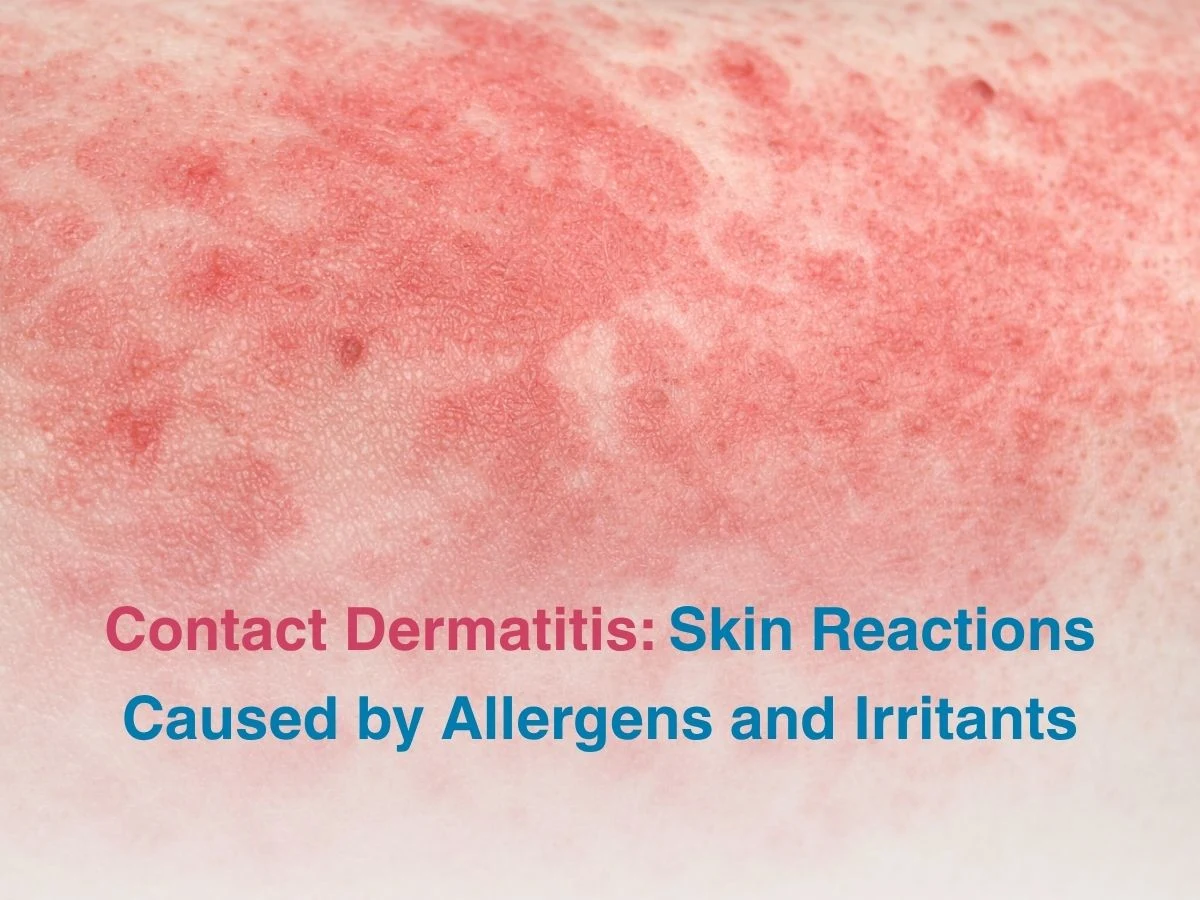
Contact dermatitis, also called irritant contact dermatitis is a condition that causes an allergic skin reaction when you come in contact with an allergen or trigger of some kind. The allergen can be of different kinds- like soap, cosmetics, foods, etc. Though not life threatening, it can cause really itchy rashes, which can make you feel miserable. If you have a red inflamed skin rash or keep getting them often due to exposure to some chemical or substance, don’t hesitate to get in touch with an experienced dermatologist at KIMS Sunshine- as we are the best dermatology hospital in Hyderabad.
Contact Dermatitis Causes-
The main reason is contact with some kind of allergen- it can be anything and it mostly affects people who tend to touch different kinds of things with their hands- like florists, people who handle food, nail artists, hairstylists, plumbers, janitors, artists or construction workers to mention a few. Some well known allergens include cosmetics, skincare products, fragrances, metals, chemicals or preservatives and certain plants or soaps, among others.
Contact Dermatitis Symptoms-
Contact dermatitis symptoms are caused due to skin getting inflamed due to exposure or contact with some kind of trigger or allergen. Since we touch the chemical with our hand and then end up touching different parts of the face or body, you can transfer the allergen elsewhere. Then, you may end up with itchy rashes in different places- like the face, neck, scalp, lips, hands, genital area, groin, armpits or even the feet and legs respectively.
These are the skin allergy symptoms you should know of-
- A contact dermatitis rash looks kind of angry red, purple or darker than the natural skin tone.
- It may be pimply, bumpy or look like there are blisters.
- Pus may also ooze out at times, if you scratch too much and cause the delicate skin layer to get damaged.
- The rash itself is very itchy and feels like it is burning.
- You may notice flaking or scaly skin in the affected region.
Contact dermatitis is not contagious like a disease but it can spread and cause symptoms for someone else, if you touch them before you have washed your hands thoroughly. Examples include poison ivy- everyone has a bad reaction to it.
Instead, talk to a dermatologist now!
How is Contact Dermatitis Diagnosed?
Your doctor will ask you about changes to your routine- with respect to haircare, skin care, or if you have come in contact with something that you don’t use regularly. They will also ask you about your symptoms. Skin patch testing is recommended- where you will be exposed to common allergens via a sticky skin patch. If you develop red hives, then you are allergic to some or all of them.
In rare cases, a skin culture or biopsy may be prescribed. This will allow the doctor to get a closer look at your skin cells and how and why they are getting affected, when they observe it under a high resolution microscope.
Contact Dermatitis Treatment Options-
The main thing to remember with this condition is to identify triggers and then avoid them. You can also use antihistamines and corticosteroid creams to calm the inflammation down. Some people may develop anaphylaxis or a severe reaction to some trigger and this can be life threatening, as you cannot breathe due to the airways closing. An epinephrine injection or shot will help you feel better in such circumstances.
Conclusion
Contact dermatitis is a very common skin condition that affects millions of people in India and in the world. Exposure to any kind of trigger or allergen can cause inflammation to occur and lead to the formation of a burning, painful rash. Using medicated creams to calm the rash down is better than waiting and trying not to scratch at the rash. So, if you have similar symptoms and would like to learn how to manage symptoms better, get in touch with a dermatologist at KIMS Sunshine hospital today!
Frequently Asked Questions
What is contact dermatitis?
What are the symptoms of contact dermatitis?
How is contact dermatitis diagnosed?
Can cosmetics or soaps cause contact dermatitis?
When should someone see a doctor for contact dermatitis?