
Pulmonary Edema: Fluid Accumulation in the Lungs and Emergency Care

Verified By
KIMS-SUNSHINE
Specialist,
16 April, 2026
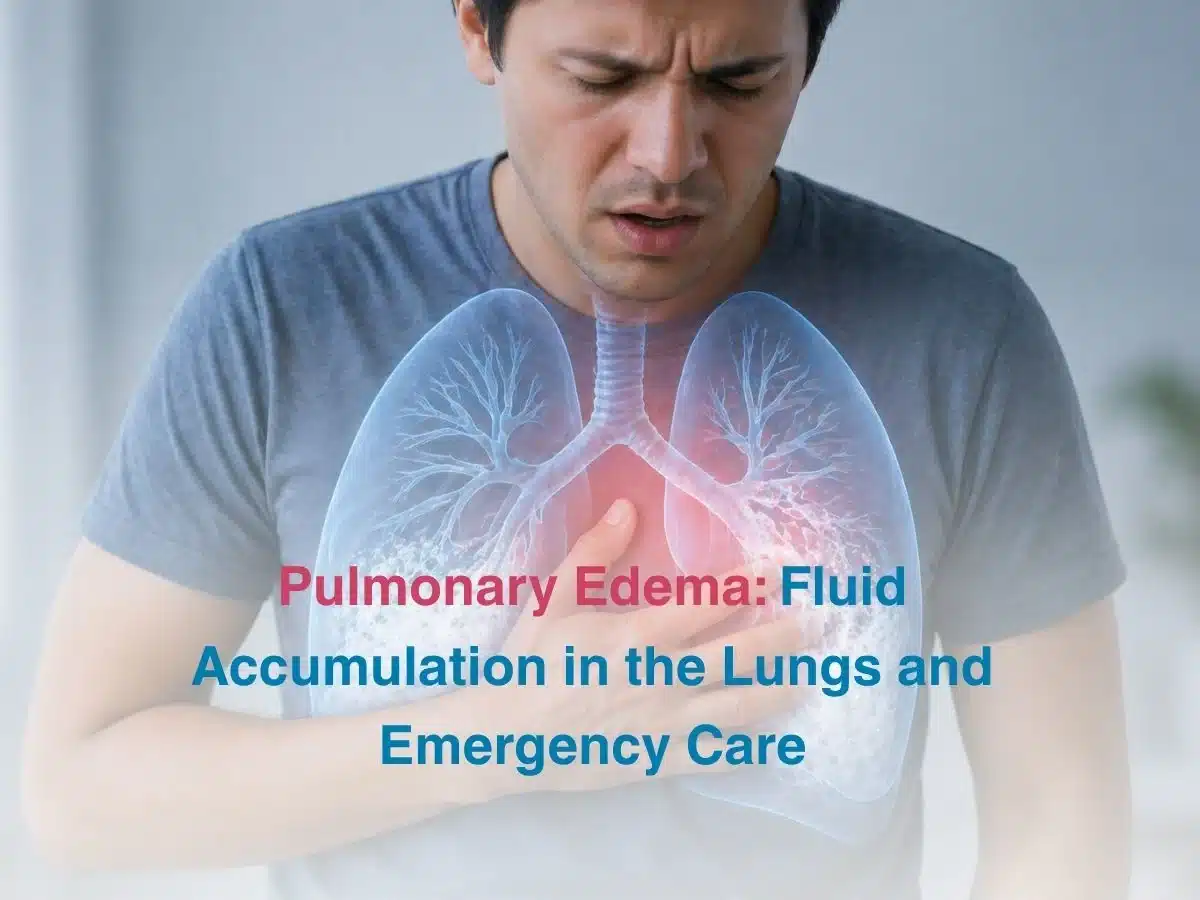
Edema is a medical term used to denote fluid accumulation in any part of the body. When such fluid is present in the lungs, it is called pulmonary edema, which can lead to an intense breathing difficulty emergency, in severe cases. Pulmonary edema can be of two types- sudden or acute and chronic respectively. Sudden or acute pulmonary edema needs emergency pulmonology care and if not treated, can be life threatening. If you face breathlessness, or have had an infection before, please call us at KIMS Sunshine Hospital,as we are the best pulmonology hospital in Hyderabad.
Causes for Pulmonary Edema-
Pulmonary edema in most cases develops if there is some issue with the heart. At such times, it is called cardiogenic. If it has been caused by some other condition, it is non-cardiogenic.
Some cardiogenic causes for pulmonary edema include-
- Suffering from congestive heart failure
- Having some form of cardiomyopathy, heart valve disease, or myocarditis.
- Suffering from hypertension or arrhythmia
- If you have a pericardial effusion or fluid buildup in the lining that covers the heart.
Non-cardiogenic causes include pneumonia, sepsis, pancreatitis, liver failure, or severe bleeding or swelling in the brain that can occur after an injury.
Symptoms of Pulmonary Edema-
Sudden or acute pulmonary edema can cause-
- Severe shortness of breath while moving or lying down.
- You may cough up blood and wheeze.
- Frothy mucus may also be observed.
- You may have chest pain and notice tightness in the region.
- You may suffocate too.
Chronic pulmonary edema has the same symptoms, but it does not develop as quickly or suddenly. It develops as a result of some other underlying condition. Apart from feeling breathless, you may also notice fluid buildup in extremities and feel extremely tired.
please call us at KIMS Sunshine Hospital for the best emergency pulmonology care in Hyderabad!
Diagnosis of Pulmonary Edema-
A detailed medical history is taken- and your symptoms will be assessed thoroughly. Doctors check for changes in heart rate- mostly an increase, blood pressure fluctuations, crackling, whistling or wheezing sounds form the lungs, abnormal heart sounds, swelling in the body and check if you have any bluish looking skin due to low oxygen levels. Once the physical tests are done, these are the ones recommended to diagnose this condition-
- Complete blood count
- Blood chemistry
- Oxygen saturation levels using a pulse oximeter.
- A chest x-ray to check for fluid buildup
- An ECG to check for cardiac activity and any changes.
- EKG to assess for heart attack or changes in electrical activity.
- Cardiac catheterisation if doctors notice any clots or blocked coronary arteries.
Treatment for Pulmonary Edema-
Treatment depends on whether you have acute or chronic edema and the severity of your symptoms. For acute cases, you may need ICU care for pulmonary edema.
These are the common approaches used for fluid in lungs treatment-
- Oxygen therapy for lung fluid- here, prongs or a mask will be used to deliver oxygen. You may also need ventilator support for severe lung failure.
- You may be prescribed diuretics or water pills- you will pee more and get rid of excessive fluid in the body.
- You may be given antibiotics if an infection is causing edema or heart failure or steroids if there is some autoimmune component to your condition.
If you suffer from chronic pulmonary edema, then you will need to learn to manage the condition better. Some tips include eating foods low in sodium so there is less fluid buildup, not smoking and getting enough exercise on a regular basis.
Conclusion
If you suffer from breathlessness often, smoke often or used to smoke before, you may be at higher risk of suffering from pulmonary edema. So, when you notice any symptoms as mentioned above or observe that those symptoms are progressing too quickly, please don’t hesitate to call us at KIMS Sunshine Hospital today!
Frequently Asked Questions
When should pulmonary edema be treated as an emergency?
Is ICU care required for pulmonary edema?
How is fluid in the lungs diagnosed?
How long does recovery from pulmonary edema take?
Where can I get emergency care for severe breathing difficulty?