

Ischemic Colitis: Reduced Blood Flow to the Colon and Its Warning Signs

Verified By
KIMS-SUNSHINE
Specialist,
08 April, 2026
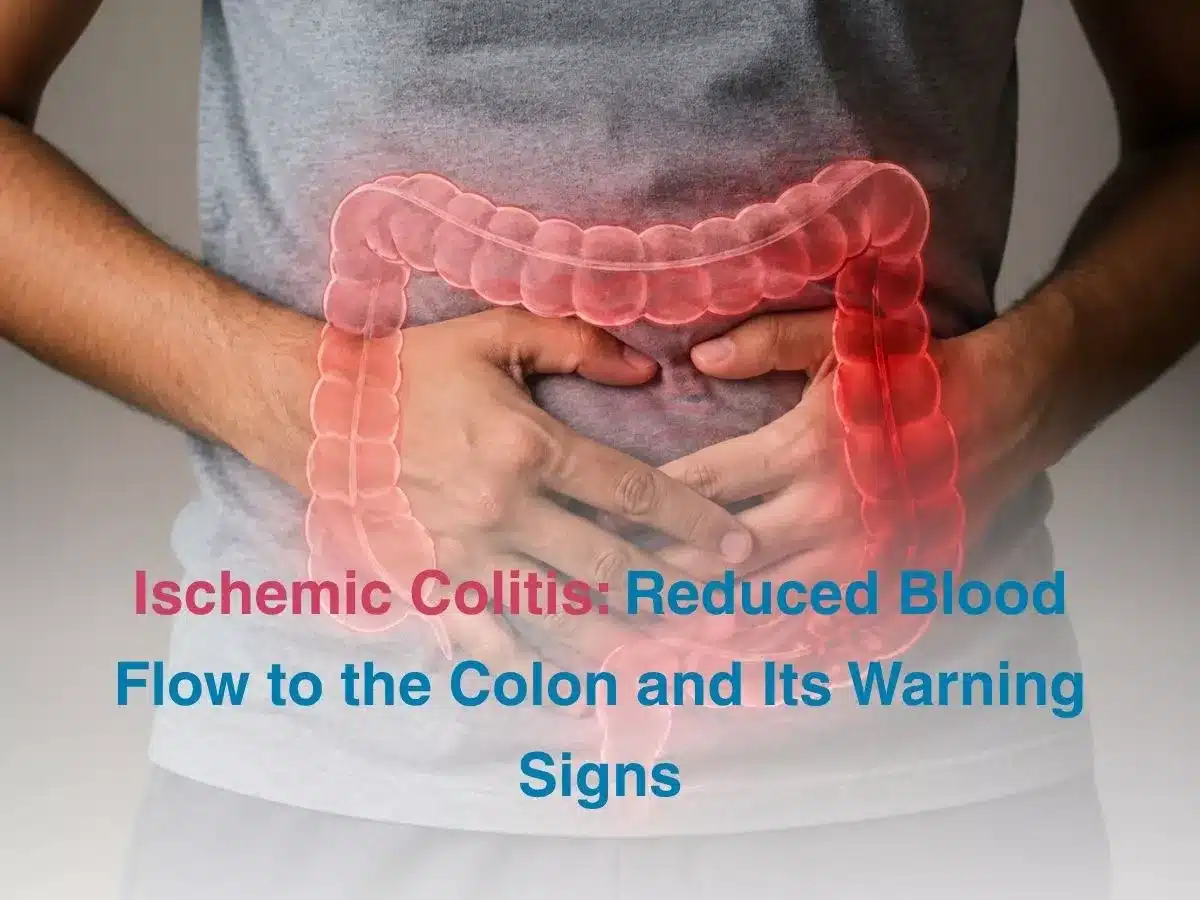
Colitis is a condition that causes inflammation in the colon- due to a variety of reasons. Ischemic colitis is one such kind- it is colon inflammation due to poor circulation of blood in the area. Low levels of oxygen in the colon can cause the immune system to overreact and switch on multiple inflammation related pathways. If poor blood flow persists, it can lead to bowel injury due to ischemia. If you suffer from conditions that affect blood vessels, heart disease or other conditions and are older than 60, you should get checked periodically by specialists at KIMS Sunshine Hospital- as we are the best gastroenterology hospital in Hyderabad.
Causes and Symptoms of Ischemic Colitis
These are some well known colon ischemia causes-
- Any condition that affects your circulatory system is a possible cause- like low blood pressure which can lead to non-occlusive ischemic colitis. This is much rarer than the other type.
- If you have blood clots- this is called occlusive ischemic colitis.
- If there is a mass or growth that is pressing against the blood vessel and cutting supply off.
- If you have had surgery and for some reason, blood flow was not restored for a while – like if you have an abdominal aortic aneurysm repair. This is a well known side effect of this procedure, and it is much more severe than just a transient ischemic episode.
These are some prominent ischemic colitis symptoms you should know of-
- You may have severe abdominal pain with bloody stools.
- Abdominal swelling with associated tenderness is also observed.
- You may have diarrhoea.
- You may have a low grade fever.
- You may have nausea and not have much of an appetite.
Diagnosis of Ischemic Colitis
The symptoms for ischemic colitis can be pretty generic, so doctors need to pay close attention to different symptoms and understand your medical history, before they can give you a positive diagnosis.
- A blood test can reveal a higher than usual blood count and is non-specific.
- Imaging is the best way to check for ischemia, so a CT scan may be done.
- A colonoscopy can be done to check for specific signs which point to ischemia. A tissue sample of the colon may also be taken, if doctors suspect some other condition.
Treatment For Ischemic Colitis
Treatment normally depends on how severe issue loss is or how long your tissues have been without blood flow. If you have an infection or other complications, then you may need more aggressive treatment.
- IV-fluids and broad spectrum antibiotics are given if you have an infection.
- Oxygen therapy may be given, to help with low blood oxygen levels and supplement heart health.
- Bowel rest is also prescribed- where you will not be allowed tp eat foods. Instead, a liquid diet or IV nutrition may be given.
- Stomach decompression using a nasogastric tube – The tube can be used to draw food, fluid or air out of the stomach, if the colon has been paralysed due to ischemic colitis.
- You will be given a stent, to restore blood flow, if stenosis (narrowing down) of blood vessels is present. or use clot busters to get rid of clots, if they are causing ischemia.
- Colectomy– If there is prolonged ischemia, tissue death can occur and this can in turn harm surrounding healthy tissue. Doctors recommend surgical removal of necrosed tissue – by performing a bowel resection.
During recovery, you will be asked to allow your bowels to rest completely- that means no high fibre diets. This will give your colon time to heal, as digestion is a high energy process, demanding more blood flow and oxygen, which the gut does not have because of ischemic colitis.
Conclusion
Most cases of ischemic colitis are transient and people don’t really have prominent symptoms. The mucosal segment of one region is affected, while the rest are fine. So, fluids and antibiotics should be okay for them. For people with more complicated cases, surgery may be necessary. Not smoking and eating a heart-friendly diet can help prevent this condition to some degree. If you have any concerns, please don’t hesitate to call us at KIMS Sunshine Hospital today!
Frequently Asked Questions
What is ischemic colitis?
What are the symptoms of ischemic colitis?
Is ischemic colitis a medical emergency?
What treatments are available for ischemic colitis?
When should someone seek urgent medical care?
Urgent medical care is necessary if there is severe abdominal pain, persistent or heavy rectal bleeding, fever, or signs of dehydration. Sudden worsening of symptoms or signs of shock, such as dizziness and rapid heartbeat, require immediate evaluation to prevent complications and manage the condition effectively.