
Hypersensitivity Pneumonitis: Lung Inflammation Triggered by Allergens

Verified By
KIMS-SUNSHINE
Specialist,
15 April, 2026
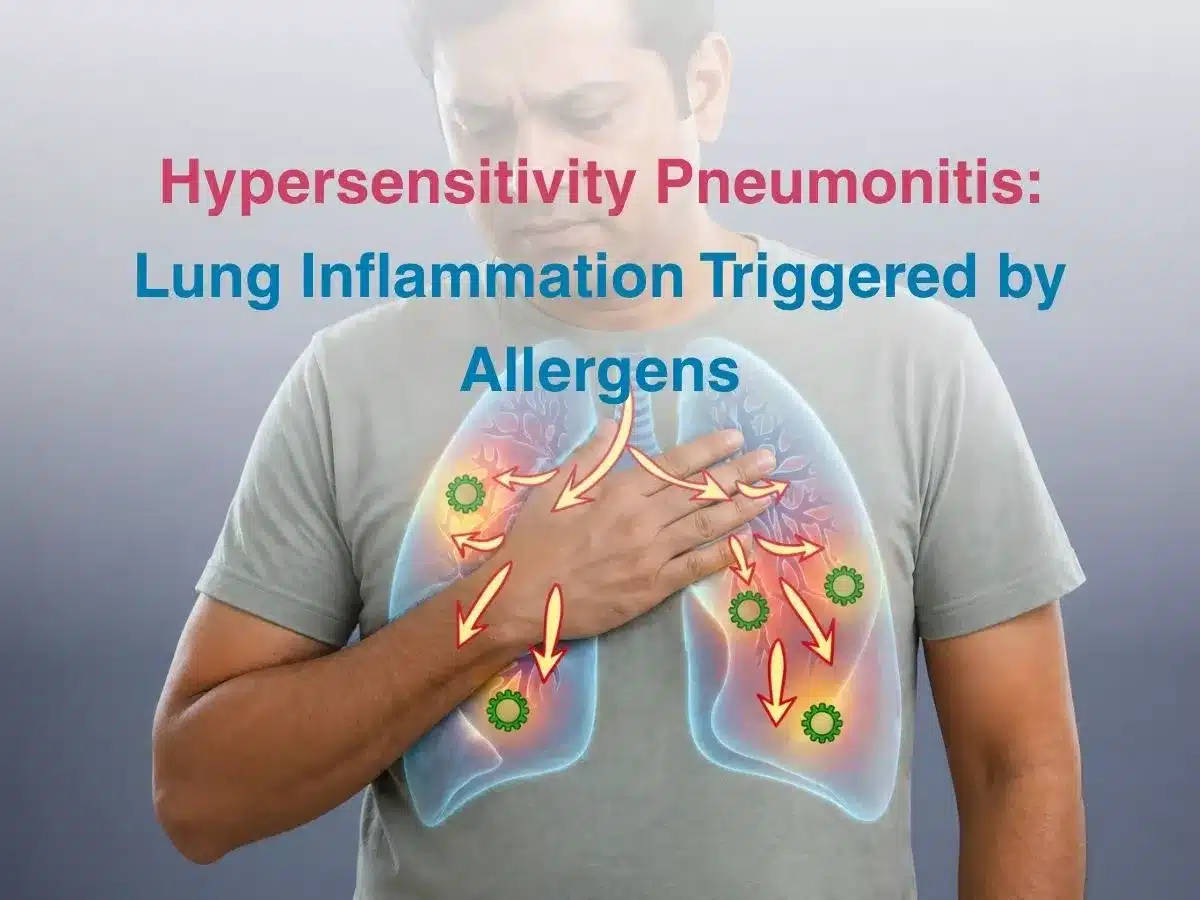
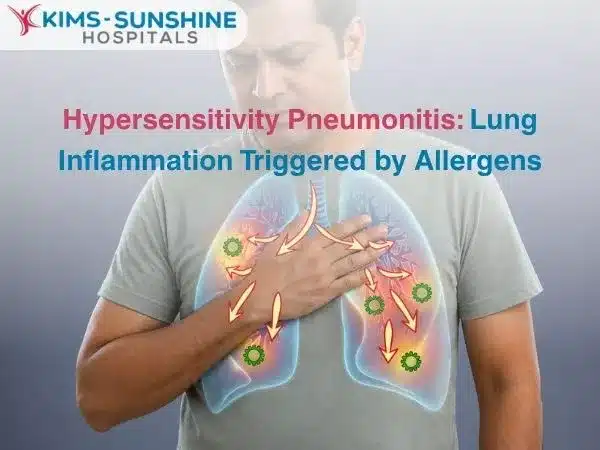
Pneumonitis is a condition where there is inflammation of lung tissue due to some underlying cause. Hypersensitivity pneumonitis (HP) is a subtype caused by lung inflammation due to allergens like pollen, pathogens, dander, etc. If you have acute hypersensitivity pneumonitis, then it may be a single time occurrence and you can get better with treatment.
If you keep having repeated bouts of inflammation because of continual exposure, it can lead to lung scarring and tissue death in the long term. If you suffer from breathlessness or antigen exposure lung disease, you should call a pulmonologist for allergic lung disease at KIMS Sunshine Hospital, without any delay!
Causes for Hypersensitivity Pneumonitis
Pneumonitis is basically caused by allergens or anything your immune system identifies as an antigen- immune cells identify them as foreign agents and then recruit hordes of cells that can cause high amounts of inflammation. Anything can be a trigger- like pathogens, animal fur, dander, mold, fungi, certain chemicals, metals, salts, proteins of any kind etc. and studies have shown that there are over 300 such well recognised triggers that your lungs can respond to. This is also why this condition is called occupational lung disease treatment, in some cases.
This condition may be acute or chronic and when you have chronic hypersensitivity pneumonitis, your lungs can get scarred and cell death can occur- which is why HP is considered a type of interstitial lung disease.
Symptoms of Hypersensitivity Pneumonitis
These are some well known symptoms that you may have, when you have acute pneumonitis.
- Shortness of breath is a hallmark symptom.
- You may have a dry cough.
- Your chest may feel tight.
- If you have an infection, you may have a fever, chills.
- Muscle pain is quite common too.
- You may also feel very tired.
You may have these additional symptoms- like loss of weight, feeling short of breath whenever there is any physical activity involved and clubbing of the fingers or toes respectively if you suffer from chronic hypersensitivity pneumonitis.
Diagnosis of Hypersensitivity Pneumonitis
Doctors will normally ask you for a detailed medical history- complete with information about where you work and your symptoms, their severity etc. These are the tests that are normally done-
- Allergy tests using blood samples– Doctors will ask you to get an HP panel done, to check which allergens are causing your body to react in an abnormal way.
- Imaging– Chest x-rays and CT scans have been the mainstay tests that are ordered- these can help doctors look at your lungs in greater detail, check for the location of damage, its severity etc.
- A pulmonary function test diagnosis is recommended when you will be asked to breathe into an apparatus that consists of tubes attached to a machine- to check how well your lungs are working, how much you can breathe and if oxygen saturation levels are within range or not.
- Bronchoscopy– A long thin tube with a camera at the end is inserted either through the nose or mouth and into the lungs- to check for any structural abnormalities and to collect samples if needed.
Treatment of Hypersensitivity Pneumonitis
Hypersensitivity pneumonitis treatment involves using different approaches to manage this condition in the long term- as it can be chronic and present, as long as you are exposed to the allergen. There is no permanent cure that is available for this condition.
Different treatments include-
- The use of corticosteroids to control inflammation and modulate immune response. Immunosuppressive medications may also be given. Examples include prednisone, azathioprine etc.
- Anti-fibrotic drugs are given in chronic cases, to reduce the rate of scar tissue formation in the lungs.
- Oxygen therapy and pulmonary rehabilitation are recommended in severe cases.
- If lung fibrosis has progressed too much, then a lung transplant may be the only available option.
Conclusion
You can take many weeks or months to get better- so focus on limiting or stopping exposure to the allergen, eating healthy foods and taking medications as and when prescribed by your doctor. If you have any other concerns, reach out to us, as we are the best pulmonology hospital in Hyderabad.
Frequently Asked Questions
When should I consult a doctor for hypersensitivity pneumonitis?
Where can I find expert care for occupational lung diseases?
What are the best treatment options for hypersensitivity pneumonitis?
How is hypersensitivity pneumonitis diagnosed?
Can avoiding allergens reverse lung inflammation?