

The Role of Multidisciplinary Care in Better Patient Recovery

Verified By
KIMS-SUNSHINE
Specialist,
27 January, 2026
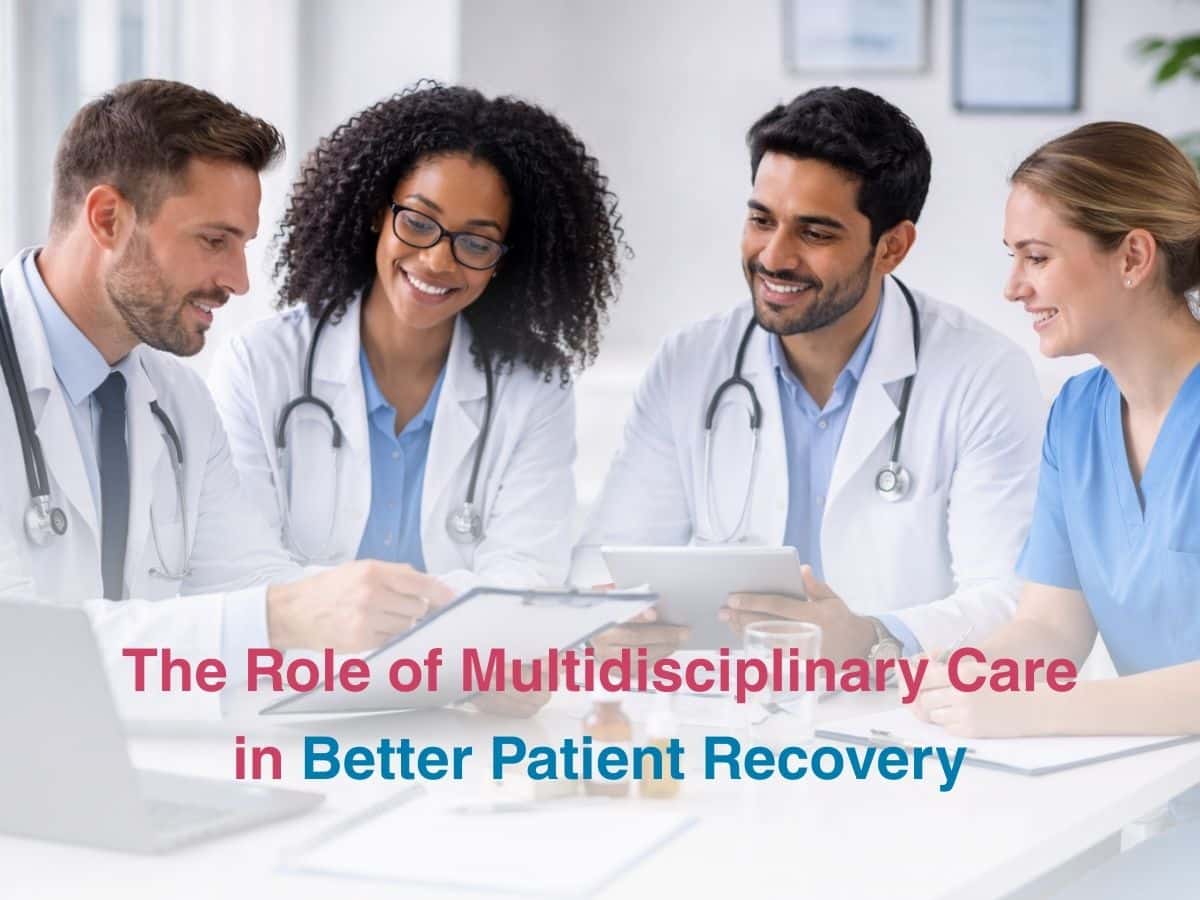
In present day healthcare systems, a patient’s journey to wellness is never a straight line. As the complexity of medical conditions become more evident, the traditional model of a single approach needs to be replaced by a more powerful, inter-disciplinary and collaborative approach. Multidisciplinary Care (MDC) is the most advanced and beneficial approach in the era of modern medicine. A team of various speciality experts work together in creating a cohesive, 360-degree recovery plan. The integration of diverse specialities ensures the patient addresses his health and well being. Whether the patient is recovering from a major surgery or managing a chronic illness, this diverse integration allows the doctor to assure that every aspect of the patient’s health is addressed simultaneously. This approach doesn’t just treat a symptom; it treats the whole person. Collaboration is the key to gain a holistic picture and treatment of the patient and cure. A”siloed” approach to medicine often leads to fragmented care, where one specialist may prescribe a treatment that unknowingly complicates an issue in another area of the body.
Collaborative Healthcare Model
A collaborative or team based care model is basically a patient centred approach. This approach provides multiple healthcare facilities from various departments, organising them to work together and delivering comprehensive care. The core principles of this model include shared goals of the doctor and patient, clear communication and mutual trust between specialists and patients. This model of approach becomes powerful when there are systematic details about the condition of the patient.
Holistic Patient Recovery
Holistic patient recovery is concentrated on treating a patient as a whole, that is, healing an individual in mind, body and spirit. This model merely doesn’t just concentrate on physical well being, rather it is seen as a component of a successful outcome. Achieving true health requires a balance in clinical expertise, nutritional support, mental resilience and lifestyle changes which are sustainable.
Holistic patient recovery includes 4 critical areas that influence the rapidity of their healing – which includes physical restoration, nutritional support, mental and emotional wellness and environmental and lifestyle factors, respectively.
Multispecialty Hospital Care And Patient-Centred Treatment Plans
When a patient visits a hospital with a complex issue he is assessed with unified expertise from multiple specialities in real-time. This manages the patient’s recovery without him needing to travel to different clinics. KIMS Sunshine Hospital has advanced technology like high end diagnostic suites with multi-disciplinary treatment consultations, making your visit hassle free and inclusive for the treatment plan. Most multi-speciality hospitals have 24/7 trauma and emergency care units that handle any out of control situation immediately.
For a patient centred treatment plan, the decision making process is based on personalized data provided by the patient to the doctor through full body check ups. This helps the doctor adjust the dosage and intensity of medications and decide the course of treatment. Post surgical cases have multiple benefits in multi-speciality hospitals as they provide coordinated rehabilitation for these patients by providing personalized physical therapy schedules, pain management and nutritional counselling sessions.
Conclusion
A collaborative and multidisciplinary health care is the future of medicine. The journey from illness to peak wellness is not fragmented anymore. Adapting multidisciplinary care and patient centred treatment plans bring a revolutionary shift in the modern era of medicine.With a unified opinion from all, the treatment process works in perfect harmony, treating the patient as a whole person rather than in fragments or just as a list of symptoms. A holistic approach combining clinical excellence, nutritional guidance, quick support and mental resilience does not only promise recovery but also helps patients to thrive afterwards. Investing in a healthcare model that prioritizes communication, advanced diagnostics and personalized care in a world full of complex challenges is one of the best decisions you can take, as you deserve a recovery that is smoother, faster and more effective.
Frequently Asked Questions
Which conditions need multidisciplinary treatment?
Does multidisciplinary care reduce treatment delays?
Is multidisciplinary care only for complex diseases?
Do multidisciplinary hospitals offer better outcomes?
How do specialists coordinate patient care?