


Sepsis: Recognizing Early Signs of a Life-Threatening Bodywide Infection

Verified By
KIMS-SUNSHINE
Specialist,
03 April, 2026
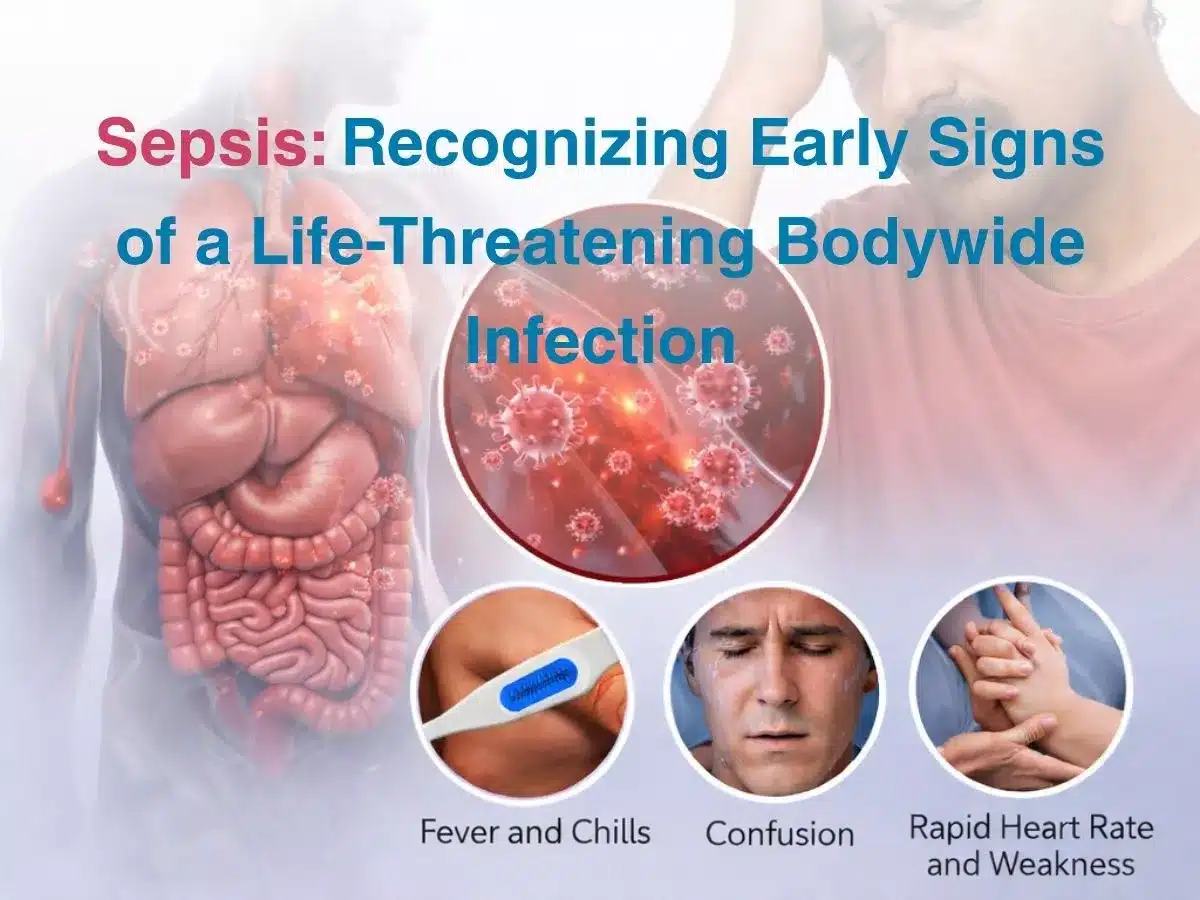
The immune system works hard to ward off pathogens and to get the body back to normal in different circumstances. But, when it overreacts as a consequence of some infection spreading in the body rapidly, it can lead to a condition called sepsis- which is life threatening when not addressed immediately. At such times, healthy tissue and pathogens- both get harmed extensively, leading to organ failure, among other symptoms. Too much inflammation is hard for the body to handle and organs begin to shut down one by one. At such times, you need to get specialised medical help from doctors at the best multispecialty hospital in Hyderabad.
Causes of Sepsis
If you suffer from underlying conditions like autoimmune disease, diabetes, cancer, kidney disease, are pregnant, have large wounds which are not healing a fast as they normally should or if you are old and need to use catheters, tubes or other components regularly, then you are at a higher risk of suffering from a severe bacterial, fungal or viral infection which can in turn cause sepsis. This is because in all these cases, your immune system is not working at its best capacity. Newborns and infants are also high risk groups because of poorly developed immunity. These are in fact some very well known and understood sepsis risk factors.
Early Signs and Symptoms of Sepsis
Most people show different symptoms, based on which organ gets affected due to inflammation and sepsis. So, let us look at them all-
- A prominent rash which makes your skin look different or red, and you develop dark red spots- this is a general reaction and is called a sepsis rash.
- You may feel really weak and not have a lot of energy.
- Your blood pressure is low.
- You may have chills or sweat too much.
- You may notice rapid breathing, confusion and have a high heart rate.
- You may either have a fever or very low body temperatures.
- You may want to pee very often or not pee much at all.
- You may feel very lousy and be in extreme pain.
Septic shock is a very advanced stage of sepsis- where there is pronounced multi-organ failure due to severe hypotension, leading to metabolic dysfunction and confusion. You will be taken to the ICU so that vasopressors, fluids, antibiotics and all other life saving measures can be used for you to get better. Without immediate medical care, the mortality rate is high.
call a specialist today at KIMS Sunshine Hospital without any delay!
Sepsis Diagnosis And Treatment
Getting a diagnosis of sepsis involves the use of certain criteria and these tests or readings can be taken way before any testing is done- if you are closely monitored and any subtle changes have been noted. For the actual diagnosis to happen, you will be asked to get imaging, blood and urine tests done – as this is how doctors can find any organ damage, dysfunction and see what kind of treatment must be given to mitigate it.
- Antibiotics are given to prevent the infection from spreading further in the body.
- IV fluids are given to help your blood pressure stay up.
- Vasopressors help your blood vessels constrict, so that pressure can be maintained.
- Ventilation is offered if you have respiratory failure.
- Surgery may be necessary in some cases, to remove dead tissue.
Conclusion
You will recover slowly afterwards but you may still have some issues like extreme fatigue and poor appetite for the next few months. That is totally fine! There is no need for you to worry too much about not recovering ‘fast enough’. It is hence important to remember that taking good care of yourself- physically and mentally can help you heal better. You should also pay close attention to your body and try to deal with infections immediately, rather than later as you may suffer from sepsis again in the future. So, if you have any concerns, call our specialist at KIMS Sunshine, as we are the best multispecialty hospital in Hyderabad.
Frequently Asked Questions
What is sepsis?
What are the early signs and symptoms of sepsis?
What is septic shock?
How quickly does sepsis progress?
When should someone seek emergency care for suspected sepsis?