

Peripheral Edema in Heart Failure: Why Fluid Accumulates in Legs and Ankles

Verified By
KIMS-SUNSHINE
Specialist,
05 March, 2026
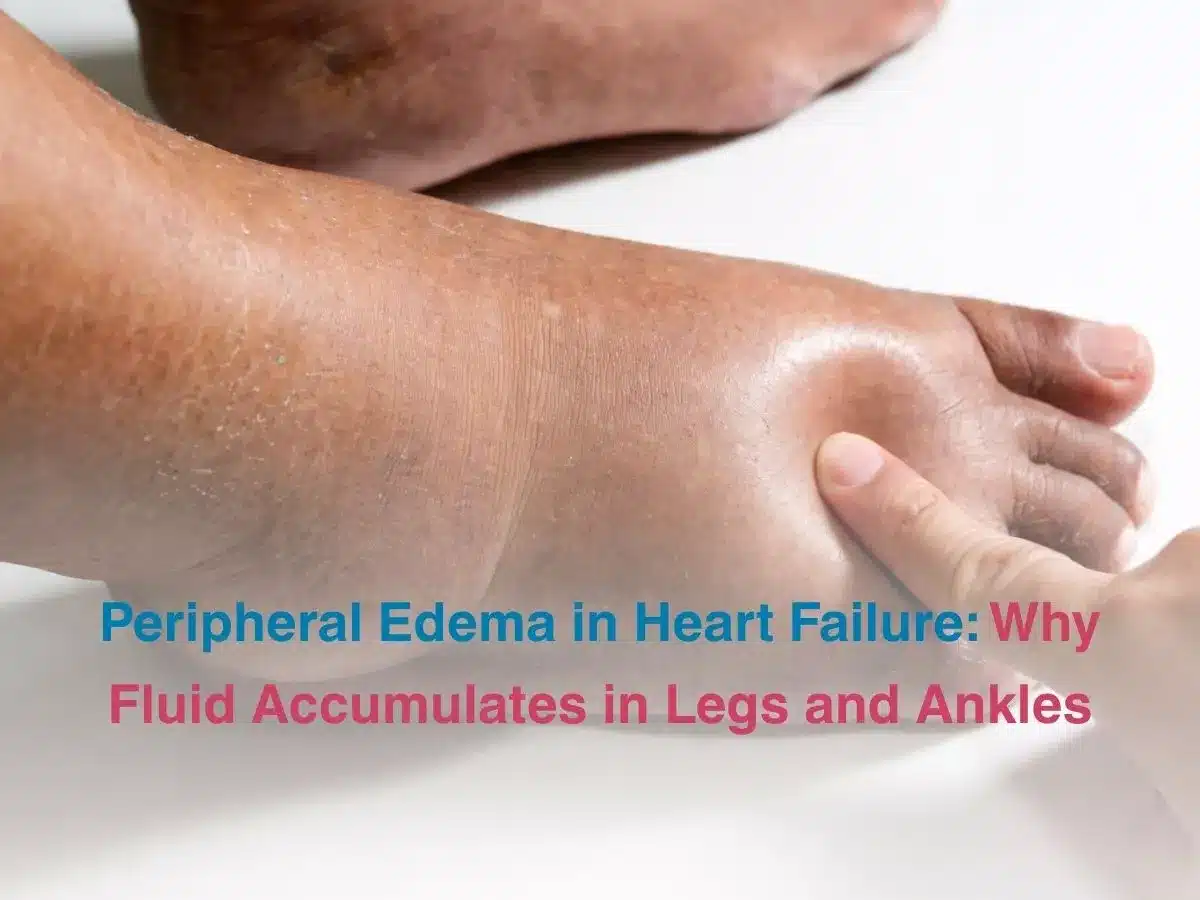
The human body is mostly made of fluids of different kinds, but the volumes are tightly controlled by the kidneys and different hormones. Edema or fluid retention occurs when more fluid is produced in the body than is being drained out. Peripheral edema normally affects the legs, ankles, hands or the face and belly and it can be caused by heart failure or other chronic conditions. You should talk to a specialist at KIMS Sunshine Hospital, if you begin to show symptoms.
Peripheral Edema Causes
Peripheral edema can be caused by chronic inflammation, pregnancy, heart or kidney failure, making the wrong food choices, DVT or even sleep apnoea respectively, among other conditions. Edema due to heart failure is very common.
Peripheral edema is present with heart failure due to the heart not being able to pump blood properly. When the heart struggles, there is increased pressure on the blood vessels. This can cause fluid to move out into surrounding tissue, causing edema.
When the heart is not able to pump properly, the body thinks it needs to do something about low blood pressure and activates the renin- angiotensin-aldosterone system (RAAS). The RAAS system goes into overdrive with heart failure and leads to water and electrolyte retention by the kidneys, leading to fluid accumulation.
This fluid retention can trigger more fluid to accumulate in turn and worsens blood vessel health in the long term, while placing too much stress on the heart at the same time.
Fluid Retention Symptoms
These are the well known symptoms of peripheral edema
- You notice swelling in the abdomen, belly, hands, feet or face.
- Ankle swelling at night is common, as you are not moving when asleep.
- Weight gain is possible.
- You may feel tightness in the chest.
- You may not be able to breathe normally, if you lie down.
- Urine output decreases.
Diagnosis of Peripheral Edema
A detailed medical history and checking for symptoms can help in diagnosing this condition. Some blood tests, urinalysis and imaging using ultrasound may be recommended.
Treatment for Peripheral Edema
Managing fluid overload involves the use of specific medications, making sustainable lifestyle changes or surgical interventions when all other modes of treatments fail to work.
Medications include diuretics for edema, which can help the body eliminate excess fluid. Heart failure drugs will also be used in tandem, to help you manage symptoms better.
With respect to diet- eating foods low in sodium can be very helpful. You should also avoid sitting or standing in one place for too long, elevate the legs when sitting and use compression stockings to help improve circulation and reduce swelling in the long term. You should try to stay at a healthy weight and move around every couple hours or so. Managing underlying conditions is also very crucial to staying healthy.
When none of the conventional treatments work, you may be asked to get surgery done. Procedures like an LVA (lymphovenous anastomosis where a lymphatic vessel and vein are connected to help with better drainage) suction assisted lipectomy to get rid of fatty tissue that accumulates and vein ablation or stripping to help reduce venous insufficiency respectively. In some cases, the use of a needle to remove excess fluid may be done for severe accumulation in the abdomen or elsewhere.
Conclusion
Peripheral edema can be caused by a variety of conditions, with heart failure being a prominent one. With the perpetual activation of the RAAS system due to the heart not pumping normally, fluid retention occurs. As fluid accumulates, more begins to follow- leading to a vicious cycle that can damage the heart and kidneys in the long run. Proper medication, sustainable lifestyle changes and going in for regular check ups can help you manage symptoms effectively. So, call a specialist at KIMS Sunshine Hospital today, as we are the best cardiology hospital in Hyderabad. Schedule an appointment now!
Frequently Asked Questions
What is peripheral edema?
When should sudden swelling be evaluated urgently?
When is swelling a warning sign of worsening heart failure?
Do diuretics reduce leg swelling?
When should a cardiologist adjust treatment?