
Patellar Dislocation: Why the Kneecap Slips Out of Place and How It’s Treated

Verified By
KIMS-SUNSHINE
Specialist,
13 March, 2026
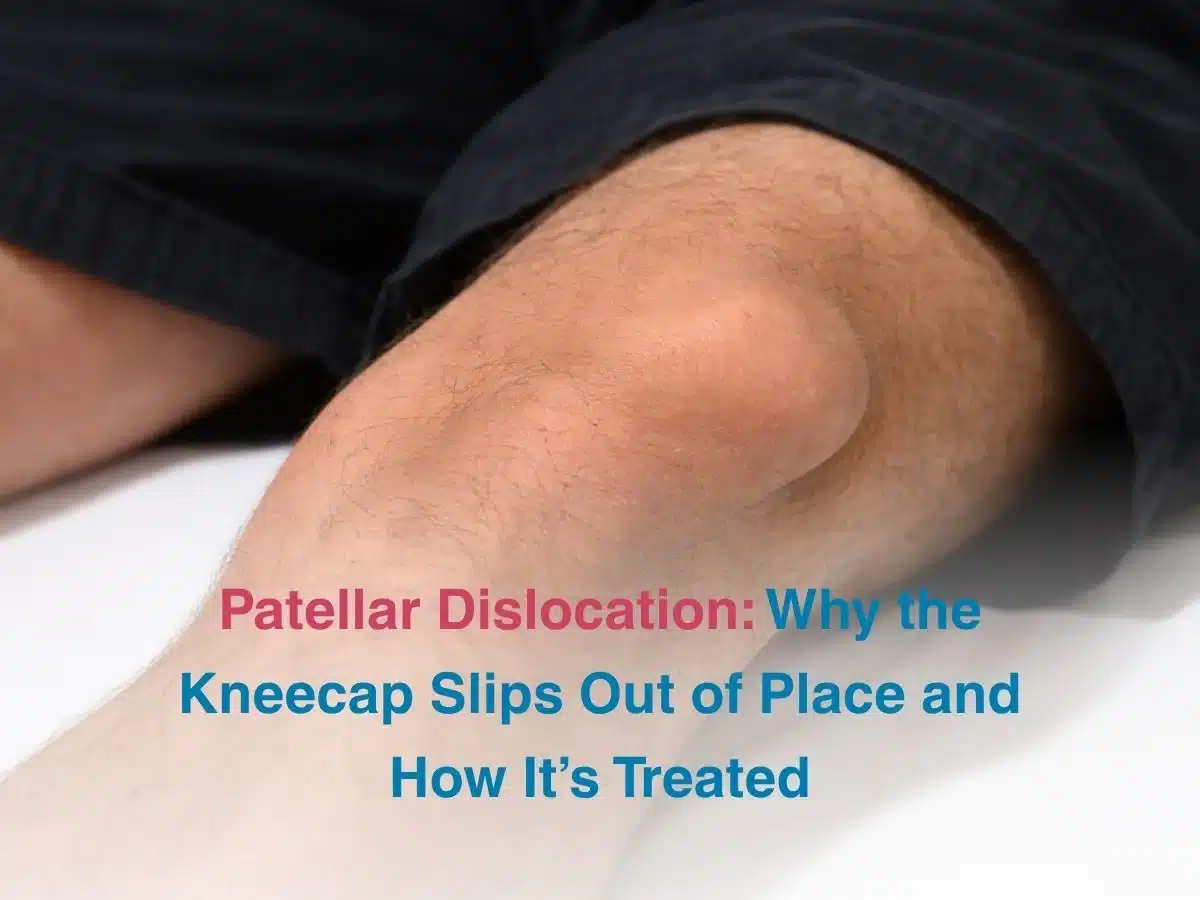
The knee joint is made of 3 bones and has the knee cap in a vertical groove on top. When it slips out of this trochlear groove, it is a dislocation. It is super painful and you cannot walk or move after it has happened. With the patella slipping out of place, knee ligament damage can occur. A kneecap dislocation is not the same as a knee dislocation, so you will need the right kind of care from an experienced orthopedic doctor. Walk in to KIMS Sunshine today, as we are the best orthopedic hospital in Hyderabad.
Patellar Dislocation Causes-
The patella can dislocate due to a congenital defect where the trochlear groove is not formed properly or it may occur due to an acute event like an accident or a fall. If you suddenly twist your knee, it can cause the patella to get dislodged – and this is a common sports injury in athletes or people who tend to pivot a lot like dancers.
Patellar Dislocation Symptoms-
Some symptoms to know of include-
- A pop sound followed by your knee giving in or buckling.
- You will have intense knee pain
- You may notice prominent bruising at the knee
- Your knees may lock up and you cannot move or walk around afterwards
- The kneecap looks out of place, literally.
- An effusion of fluid may fill up at the joint.
It is also important to know that people may dislocate their knee at a later point, if they have had a patellar dislocation before.
Diagnosis of Patellar Dislocation-
A dislocated knee cap is easy to diagnose- as symptoms and imaging can point to it. Imaging is done to check for any injuries to the ligaments, tendons or cartilage present at the knee, and to confirm the kneecap dislocation. Knee x-rays, CT scans or MRI scans can help with this.
If your knee cap popped back into place, then you may still feel really sore. This is called a transient patellar dislocation. This can be found while imaging asm secondary injuries may be present.
Treatment for Patellar Dislocation-
Treatment for a kneecap dislocation involves treating symptoms and preventing recurrent patellar dislocations from occurring in the future. So, taking rest, using an ice pack to help with the pain and inflammation and using painkillers is immediately suggested.
- You will need to use crutches or a knee brace for patella- to keep it stably within the trochlear groove. You will also be asked to rest and not put any weight on the knee as the area heals.
- Physical therapy is very useful – as it can strengthen the muscles in the calf and surrounding areas. The exercises or stretches are designed in such a way that your range of motion remains limited, so that the joint gets time to heal.
- Surgery– Patellar stabilisation surgery may be recommended in certain cases- where an MPFL reconstruction or tibial tubercle osteotomy may be done, especially when there is recurrent patellar dislocation.
- Knee physiotherapy can aid in recovery and is very crucial if you opt for surgery.
Conclusion
Patellar dislocation is a common orthopedic injury that can affect anyone who has a fall, twists their knee or has a congenital defeat with how the knee cap sits at the knee joint. It can be normally treated using non-surgical methods like physiotherapy, the use of painkillers and ice packs or by taking rest for a while. If you notice severe pain and swelling or feel like the knee is very unstable, talk to an orthopedic doctor at KIMS Sunshine, as we are the best multispecialty hospital in Hyderabad. Call us today!
Frequently Asked Questions
What is patellar dislocation?
What are the symptoms of a dislocated patella?
Can patellar dislocation happen repeatedly?
What exercises help prevent patellar dislocation?
When should someone see a doctor for a patellar dislocation?