

Decoding Osteoarthritis: Stages, Symptoms, and Delaying Progression

Verified By
KIMS-SUNSHINE
Specialist,
10 December, 2025
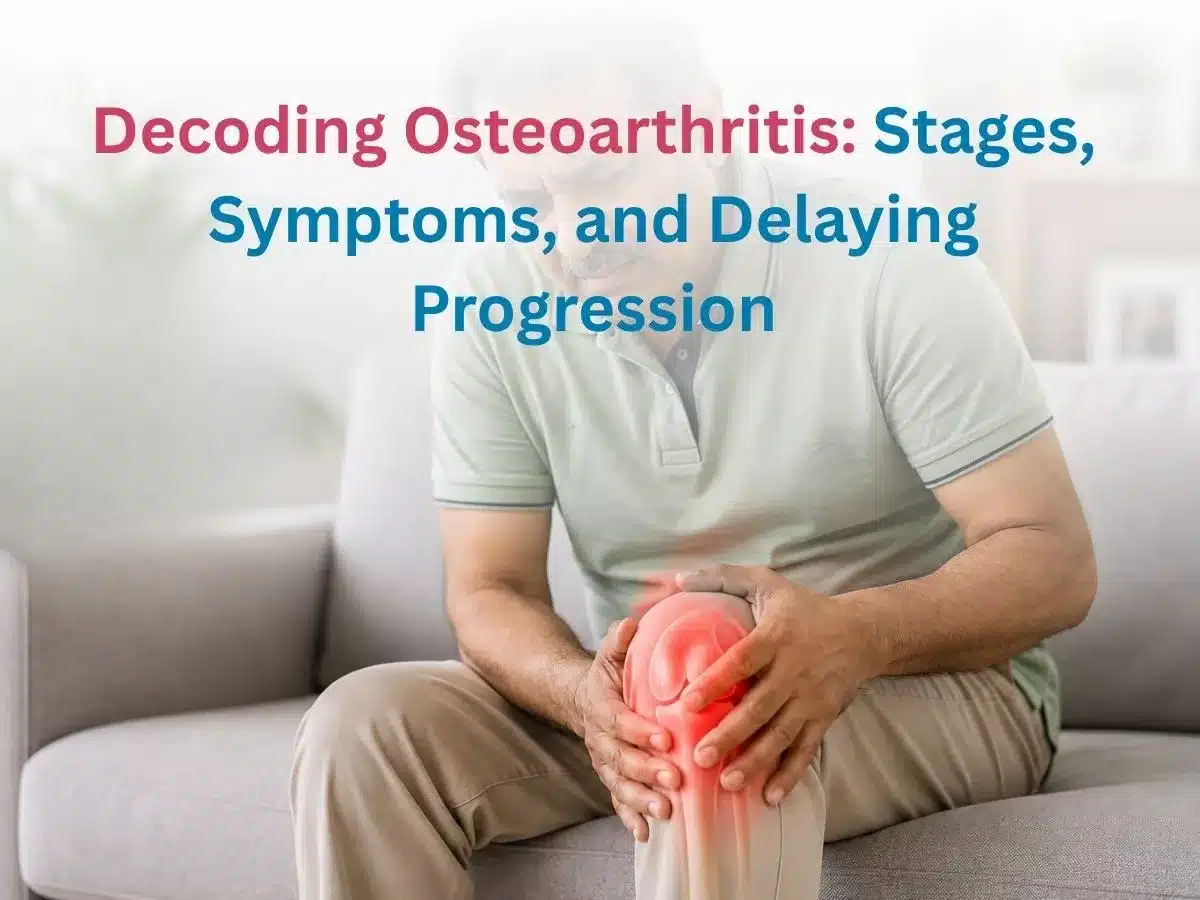
Osteoarthritis is one of the most common joint related conditions in the world and this is no different in the Indian subcontinent. Research has shown that almost 40% of the population suffers from some form of arthritis and that more women get affected, when compared to men. Osteoarthritis is so common because it is a condition that normally affects almost everyone as they get older. With advancing age, normal wear and tear of cartilage is to be expected, but when it is more than the average amount, it can result in chronic pain and related symptoms which can affect your daily quality of life. Osteoarthritis can affect any part of your body but it is most common in the areas that you use very often- like the knees, wrists, legs, hips, neck or lower back for example.
Causes of Osteoarthritis
The most common causes include any kind of injury, wear and tear due to ageing, having any underlying health condition that can cause joints to get affected- like an autoimmune condition for example, being overweight or obese and having other metabolic issues like hyperlipidemia or being diabetic, respectively.
Symptoms of Osteoarthritis
Joint pain is a hallmark symptom of this condition, but along with pain, you can expect to deal with reduced range of motion, swelling and excessive stiffness too. You may also feel like your knees are about to give way or feel really unstable. In congenital cases, some people may have deformities for years- like being bow legged or knock kneed.
There are different osteoarthritis stages and the symptoms vary in severity-
- Stage 0- Normal when you have no symptoms at all.
- Stage 1– Very minor symptoms- like presence of bone spurs maybe, cartilage is looking slightly thinner than normal.
- Stage 2– Prominent bone spurs, cartilage is getting thin, some pain or stiffness after exertion or inactivity maybe.
- Stage 3- Moderate symptoms with narrowing joint space, painful movements like walking or bending a joint, stiffness
- Stage 4- Severe case where cartilage is almost absent and bones begin to rub against each other causing sharp, severe pain, along with stiffness and poor range of motion. Deformed joints may also be found. Surgery is suggested in such cases.
Chronic joint inflammation can lead to a lot of pain, severe cartilage degradation and poorer lubrication- causing even more damage in the long run.
Osteoarthritis Treatment Options
There is conventional or non surgical treatment for arthritis – which may involve the use of painkillers, use of assistive devices, hot or cold therapy, acupuncture, massage, or the use of injections into the joint space- like hyaluronic acid or corticosteroids, if there is an immune component to your symptoms. Nerve block injections or PRP are advanced therapies which have provided some measure of relief to recipients, though not always. If none of these work, then you may have to get surgery- joint replacement or arthroplasty done.
Best Exercises For Osteoarthritis
Gentle exercise on a regular basis is a great way to ensure that you retain range of motion and lower your reliance on pain medications in the long run. Low impact routines- like walking, swimming or cycling are great for the knees especially. Yoga is good for increased flexibility. Warming up before exercising and cooling off afterwards is very crucial to prevent any injury. Strength training like heel raises or chair squats and the use of resistance bands can help greatly. A general rule of thumb to follow always is- stop when you think you are in slight pain. Don’t wait for it to get worse. If pain lasts for more than 2 hours, it is likely you may have overworked your joint, so you will need to rest accordingly.
Conclusion
Osteoarthritis cannot be cured but it does not have to govern every aspect of your life either. You can effectively manage symptoms by taking medications, eating healthy, wholesome meals and getting the right kind of exercise done- as technique is paramount here. The right technique ensures that there won’t be unnecessary damage or excessive wear and tear of your joints. Always remember to call your doctor if you have any concerns as working through the pain is not an option, ever.
Frequently Asked Questions
What are the stages of osteoarthritis?
What are the early symptoms of osteoarthritis?
How fast does osteoarthritis progress?
Can osteoarthritis be prevented?
What is the best treatment for osteoarthritis?