
Osteoporosis Explained: Detecting Reduced Bone Density and Preventing Fractures in the Elderly

Verified By
KIMS-SUNSHINE
Specialist,
12 January, 2026
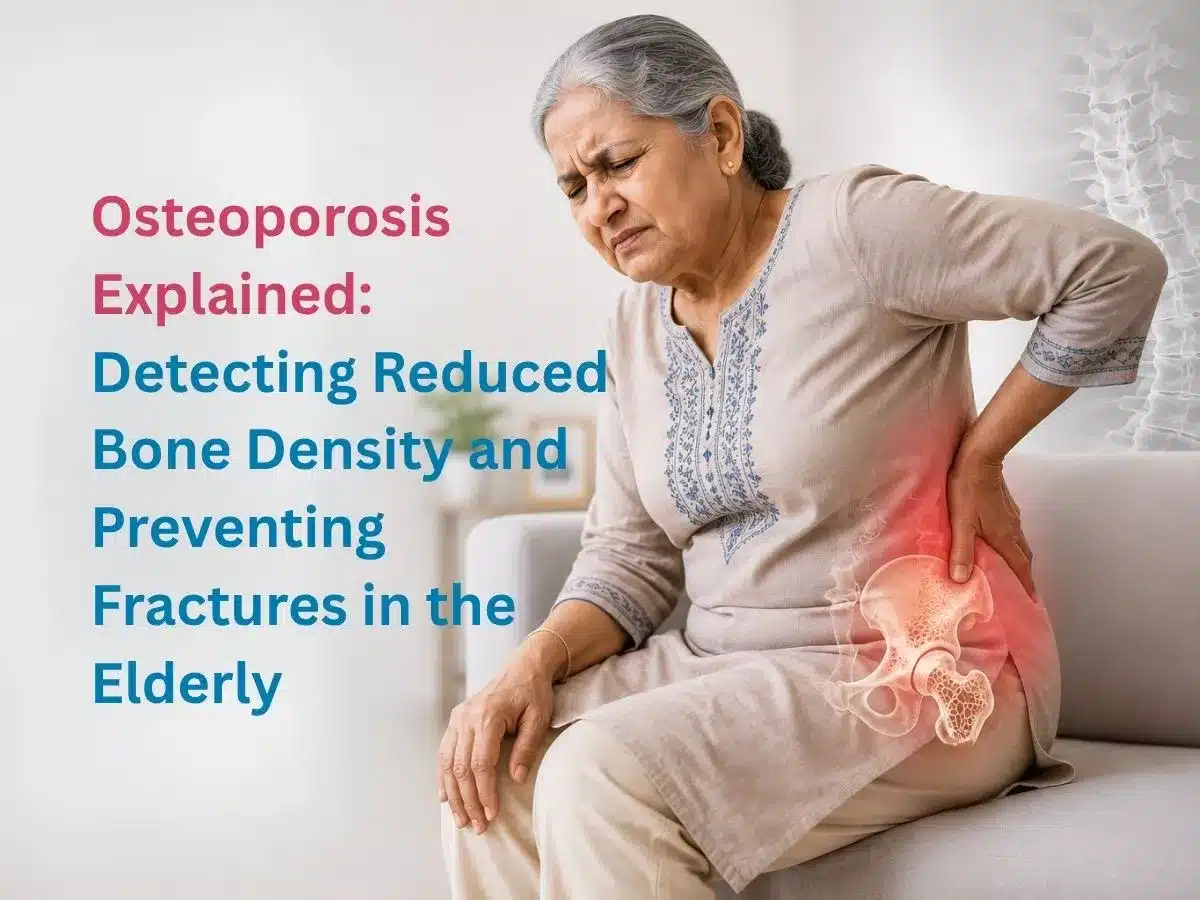
Osteoporosis is a chronic condition that affects how the bones and muscles function together in the body. It is normally associated with wear and tear that occurs due to repetitive motions and advancing age. Though osteoporosis is well known and precise methods on its management have been put forward in the form of clinical treatment protocols, doctors and individuals struggle to understand just how much the condition can progress and why certain people are more at danger of suffering from fractures, while others are not. In fact, osteoporosis is often termed the silent killer- as symptoms are not really noticeable. Even when they do appear, it is easy to dismiss them as a cause of aging. Recent estimates show that osteoporotic fractures occur at a frighteningly high frequency- one occurs almost every 3 seconds and there are almost 9 million such cases, every year in individuals aged 50 and above. More women suffer from fractures, when compared to men.
Why Does Osteoporosis Affect the Elderly?
The main problem with osteoporosis is – as a condition, it seems to progress slowly. But, it leaves a lasting impression in your system- in the form of microfractures or cracks in bones which may not cause you much pain or any other symptoms at all, but can seriously mess with the structural and functional integrity of the skeletal system. Such undetectable fractures are normally found in the hips and in the spine. More women get affected due to post-menopausal hormonal regulation- estrogen levels go down and can influence bone density and health in the long term. Research has shown that there is almost a 20% loss in bone density due to menopause and its effects and this means there is a greater risk of fractures occurring in women. This is very significant, as even a 10% reduction in bone density can leave your bones susceptible to fractures at a greater rate.
There are different kinds of cells in our bones- ones which deposit more minerals and cause bone deposition to occur, while others are used in remodelling- where they dissolve old and worn out tissue and then try to deposit more bone tissue. The rate at which bone remodelling occurs is always higher than bone deposition as we grow older- which is what makes osteoporosis such a risky condition to deal with.
Symptoms of Osteoporosis
The most overt ‘symptom’ is breaking a bone with a minor fall. Other warning signs include loss in height, marked changes in posture like bending or stooping more than usual, not being able to breathe normally as the discs in the spine get compressed and the lungs get affected, or even chronic lower back pain, respectively.
Another problem to contend with in the Indian subcontinent is the widespread deficiency of Vitamin D. This can also affect how calcium is absorbed and influence bone health negatively.
Diagnosis of Osteoporosis
Osteoporosis is easily diagnosed with a DEXA or bone density scan. In it, an X-ray of the bone is taken to measure the concentration of calcium and other minerals in grams per centimetre square area (g/cm²) and also checks if there is any change in length or height of the bone due to a fracture. A T-Score is what is used to diagnose this condition finally- a score of -1.0 or above means you have enough bone, as compared to age matched standards. Any lower value like -1.0 means you have low bone mass or osteopenia and any lower than -2.5 means you have osteoporosis.
Treatment Approaches for Addressing Osteoporosis
Apart from regular exercise, you will be asked to take vitamins and minerals as supplements. Specific medications like bisphosphonates and hormone replacement therapy can be given to counteract severe bone loss, especially in women.
In other cases, parathyroid hormone analogs may also be given to ensure there is greater amounts of calcium in blood, so that bone formation can occur.
Conclusion
Osteoporosis is rightly called a silent killer as it can strike without any significant warning. While osteoporosis cannot be cured, it can be managed effectively in the long term with a good mix of exercise, diet and medications- which are designed to minimise bone loss and help you retain bone and muscle function for as long as possible. If you have severe symptoms and want to feel relief, it is time you consult with the best orthopedic specialist in Hyderabad.
Frequently Asked Questions
What is osteoporosis and how does it affect bone health?
How is reduced bone density detected in older adults?
Why are fractures more common in elderly people with osteoporosis?
What are the warning signs of osteoporosis?
How can fractures be prevented in elderly people with osteoporosis?