


Bronchiectasis: The Chronic Lung Condition Often Mistaken for Asthma

Verified By
KIMS-SUNSHINE
Specialist,
18 November, 2025
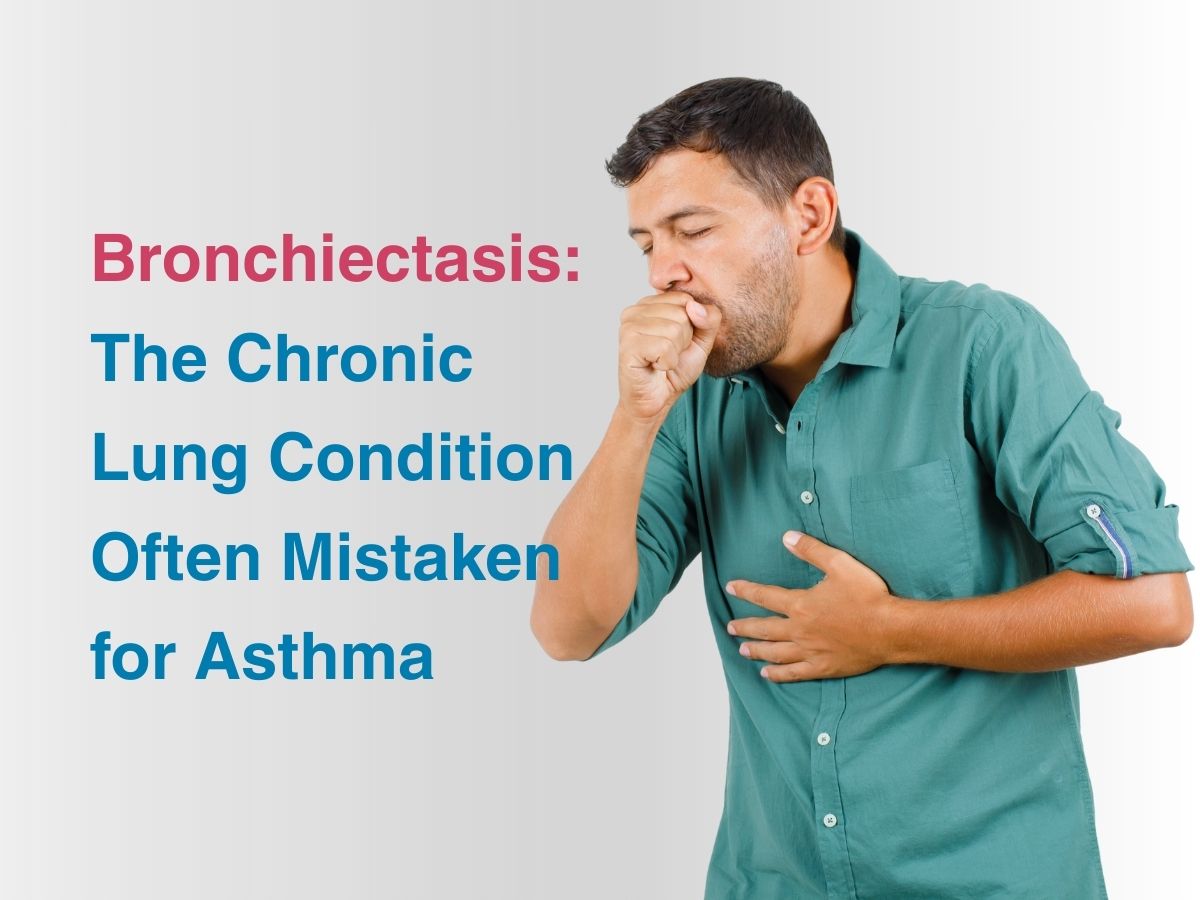
Breathing is life. Difficulty in breathing can be troublesome for any individual. Bronchiectasis is a type of chronic obstructive pulmonary disorder where the bronchi of the affected person are completely dilated or widened and damaged leading to infections, breathing difficulty, frequent cough, blood in sputum etc. Symptoms like difficult respiration, wheezing, gasping for air; coughs are its main presentation. These symptoms are very similar to bronchial asthma, also a type of chronic obstructive pulmonary disease. But the presentation, pathology and symptomatology are different. In countries like India with rising concerns of air quality index, the prevalence of bronchiectasis is variable to certain populations. This condition may occur on its own or may be caused due to a previous condition like pulmonary TB for example.
What Is Bronchiectasis And How Is It Different From Asthma?
Bronchiectasis involves permanent and irreversible enlargement or damage to the airways due to infection causing excessive mucus build-up, while asthma on the other hand is a chronic condition that narrows the airway intermittently and is triggered due to allergens or viruses. The key difference between these two is the underlying causes, reversibility of symptoms and their management.
Causes And Symptoms Of Bronchiectasis
Recurrent airway infections, inflammatory disorders or any other chronic lung conditions can lead to Bronchiectasis. Some specific causes can be cystic fibrosis, pulmonary TB, auto-immune diseases, presence of foreign bodies, tumours or enlarged lymph nodes in the bronchus that prevent mucus clearance etc.
Symptoms
- Cough with lot of mucus and pus
- Repeated colds
- Offensive mucus
- Dyspnoea or shortness of breathe
- Wheezing
- Coughing up of blood
- Nail clubbing or swollen finger nails
This condition can flare up when the patient has
- Extreme tiredness
- Fever, chills
- Night sweats.
Diagnosing And Treating Bronchiectasis
Diagnosis of bronchiectasis is done by examining the symptoms in greater detail and is confirmed with imaging techniques like high resolution CT scans. A sputum culture is performed to identify the pathogen causing the infection in the lungs. Lung function tests help in assessing the well being of the lungs, a sweat test may be done for cystic fibrosis and a broncho-scopy is done in severe cases to look for blockages.
Treatment involves a course of antibiotics, inhaled cortico-steroids to reduce lung inflammation in severe cases and expectorants that help in thinning the mucus, respectively. Other techniques involve airway clearance which has breathing exercises like directed coughing, huffing etc. Manual techniques like postural drainage, vibration and percussion and breathing aid devices like positive expiratory pressure devices, high frequency chest wall oscillation, incentive spirometry etc. can also be used to relieve symptoms.
Complications of bronchiectasis include recurrent infections like pneumonia, severe bleeding from weak airways, respiratory failure and lung abscess formation. It can also cause cor pulmonale – a type of heart failure that can be attributed to lung disease.
Conclusion
The mucus present in our lungs protects us from any harmful particles that we inhale by trapping them. This mucus is either thrown out or swallowed and digested by gastric acids. In bronchiectasis, the ability of the bronchus to throw out the mucus is affected and the toxic particles are trapped inside the mucus. This can offer fertile ground for bacteria to thrive, causing infections to occur. Recurrent infections can cause lasting damage to the airways. Bronchiectasis can be mild or severe, depending on the level of damage to the lungs. Many individuals with bronchiectasis live a normal life by managing their symptoms. Bronchiectasis cannot be cured but can be managed by avoiding irritants, maintaining physical and mental health and following a healthy lifestyle and diet overall.
Frequently Asked Questions
What causes this chronic lung condition?
Can recurrent infections worsen the condition?
Can Bronchiectasis be cured?
What lifestyle changes help manage Bronchiectasis?
How can patients prevent flare-ups or lung damage?