


Acute Kidney Injury (AKI): Sudden Kidney Failure and Early Warning Signs

Verified By
KIMS-SUNSHINE
Specialist,
01 April, 2026
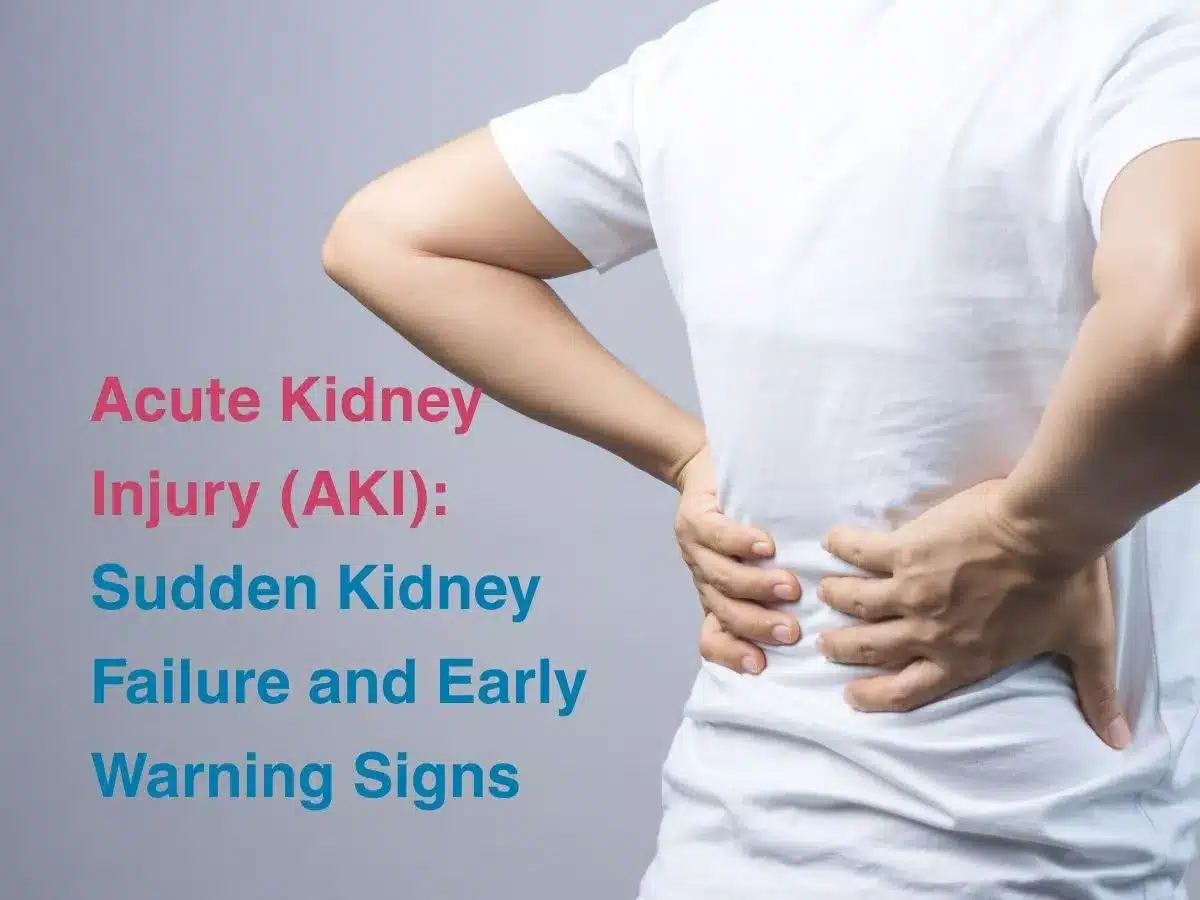
The kidneys work continuously to filter toxins from blood all day. When the filtering capability is lost due to an injury or chronic disease and symptoms of kidney injury begin to show up in just a few hours or less than a week, it can result in sudden kidney failure. Acute kidney injury (AKI) is one of the most well known reduced urine output causes, among other reasons. If you have not felt good in a while, have high blood pressure, have flank pain and notice definite changes to how urine looks, you should talk to a specialist at KIMS Sunshine Hospital immediately, without any delay, as these may be signs of a damaged kidney.
Causes of Acute Kidney Injury
AKI is a condition that does not arise on its own in the majority of cases. The kidneys are already affected due to some underlying condition and the extent of injury or inflammation increases over time, if left untreated. These are some well known causes, which can stress the kidney too much
- Dehydration and kidney injury are closely related.
- If you have diabetes, hypertension or heart disease- these are chronic conditions which can affect kidney function and vascular health in the long term.
- If you suffer from some infection which causes your immune system to work in overdrive.
- If you have an autoimmune condition which is not being managed properly.
- If you use medications which may be harmful for kidney function over time.
Acute Kidney Injury Symptoms
These are some symptoms which signal kidney function decline, though they may seem very subtle and may be dismissed easily. Don’t do that! Instead, keep a close eye for these symptoms
- You notice that you don’t pee as much as before or urine looks very dark, foamy or smells foul.
- You may notice fluid retention in the extremities- like the legs, face, ankles etc.
- You may feel really tired and have no appetite.
- You may have pronounced mood changes.
- High blood pressure is a problem which can damage the blood vessels and filtering units- glomeruli of the kidneys.
- You may notice flank pain- on the sides or abdominal pain.
- You may have chest pain or feel pressure.
Call our specialist right away!
AKI Diagnosis And Treatment
These are the different ways in which this condition is diagnosed
- A marked decrease in urine output is a warning sign. This is called oliguria and is a well known diagnostic marker.
- A major increase in blood urea and creatinine levels is a hallmark symptom of AKI.
- Estimated glomerular filtration rate (eGFR)- to check for kidney function in greater detail and compare with normal values found in the same age group.
- Blood urea nitrogen levels- the BUN test checks for urea nitrogen levels- high values show that the kidney is not working properly.
- A detailed urinalysis is done – to check for electrolytes like sodium, potassium, bicarbonate, protein, presence of any sediments and infection etc.
- A renal ultrasound is done to check for the presence of tumours or kidney stones which may be causing your symptoms.
- A kidney biopsy is rarely done, but may be necessary- if a tumour or cyst is suspected of being present in the kidney.
Treatment of AKI includes
- Not using medications that may be worsening your AKI
- Fluids are given if you are severely dehydrated.
- Antibiotics are given if the AKI is caused by an infection.
- A catheter to resolve AKI caused by blockage.
- Dialysis in AKI is recommended in some cases, so that your kidneys get time to recover. Mild cases of AKI can be dealt with in this way.
Conclusion
Acute kidney injury can affect anyone and you are at higher risk of suffering from it if you have preexisting medical conditions or have had an AKI before. Regular follow ups are very important, so that your kidney function can be monitored and you can get help immediately, if something feels off. For many people who ignore symptoms, there can be a massive build up of wastes in the blood, which can negatively impact how the body functions as a whole. So, if you have any symptoms, call us now!
Frequently Asked Questions
What is acute kidney injury (AKI)?
What are the early signs of AKI?
Can acute kidney injury be reversed?
Who is at higher risk of developing AKI?
How long does recovery from AKI take?