
Knee Pain in Cold Weather: Why Arthritis Symptoms Worsen in Winter

Verified By
KIMS-SUNSHINE
Specialist,
26 January, 2026
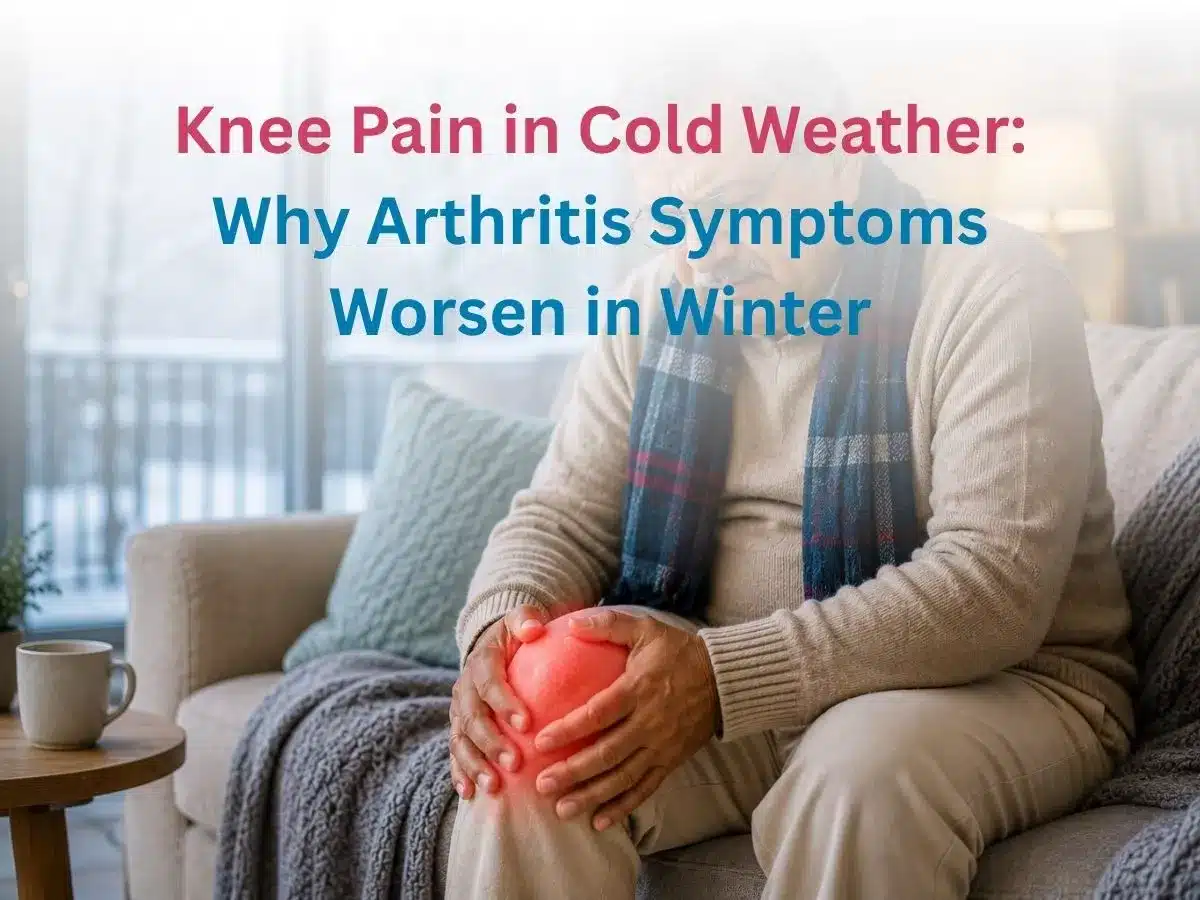
Most individuals with severe joint pain or arthritis dread cold winters, as the drastic drop in temperature can trigger all sort of pains and sensations which are unpleasant. This can commonly be understood as winter joint stiffness- where the affected joints like the knees for example feel painful and stiff, with limited range of motion. Though stiffness in the cold season is well documented, studies are still being done to understand why our bodies react the way they do. You should pay close attention to how you feel and consult an orthopedic specialist, if you have chronic symptoms which do not get better with proper care.
Why Does Knee Pain Get Worse in Winter?
Let us look at what actually happens in winter-
- Muscles feel tight because of cold weather- and this can translate to greater pain when a part of the body is moved.
- Bones- They are living tissue and can expand or contract with changes in temperature. This can mean a dull pain that refuses to go away.
- Synovial fluid- This is the fluid responsible for ensuring joints stay lubricated and movement is not rigid or painful. This fluid can become more viscous with cold weather and hence lead to increased joint stiffness.
- Finally, cartilage- which acts as a cushion between bones loses its elasticity in the winter- leading to stiffness.
Also, blood vessels in the extremities or limbs begin to constrict – restricting blood flow in a bid to conserve body temperature. This reduced blood flow can in turn lead to more stiffness and pain in the knees or other extremities. This can also impact joint pressure and how you feel pain, by heightening certain stimuli.
This pain can get worse if someone does not get enough exercise, does not eat nutritious meals and if resistance training to preserve muscle mass is not being done on a regular basis. Plus, since we tend to eat richer foods in the winter, weight gain is also a possible reason for joint discomfort.
Symptoms to Know About
The most common symptoms include stiffness, leading to worse range of motion. There is greater inflammation, which can lead to reduced mobility also- as both muscles, cartilage and synovial fluid properties change. Symptoms can get worse when people become sedentary, stay indoors for too long and rely too much on indoor heating- which can change joint pressure too. People also tend to drink less water in the winter, which can lead to more stiffness than usual.
Methods to Deal With Chronic Arthritis Pain
These are some easy ways to ensure you don’t deal with severe joint pain-
- Dress warm and eat well.
- Get enough exercise on a daily basis- but first, remember to stretch well.
- Try not to sit for too long and see if you can take small breaks in between and walk or stretch for a few minutes.
- You can try to take warm baths and prioritise body massages with medicated oils. This can help reduce muscle tension and improve blood circulation all over.
- Try to incorporate more foods which are rich in anti-inflammatory compounds like spices. Eat foods which support joints- like fish, nuts, seeds which have good fats in them.
Conclusion
You need to consult an orthopedic specialist in Hyderabad when you have severe pain which does not get better with simple home remedies. Arthritis is a chronic condition and hence has no permanent cure, but you can learn to manage symptoms in the long term by being mindful of your diet and lifestyle. With the measures we have explained above, you can avoid severe joint issues for the most part, but if you think your quality of life is getting severely compromised, you should get in touch with the best sports medicine doctor in Hyderabad.
Frequently Asked Questions
Why does knee pain increase during cold weather?
Does cold weather make arthritis worse or just more painful?
Can cold temperatures affect joint fluid in the knee?
Why does reduced activity in winter worsen knee arthritis pain?
How can knee arthritis pain be managed during winter?