
Vegetarian Diet and Bone Health: How to Keep Your Bones Strong

Verified By
KIMS-SUNSHINE
Specialist,
01 May, 2026
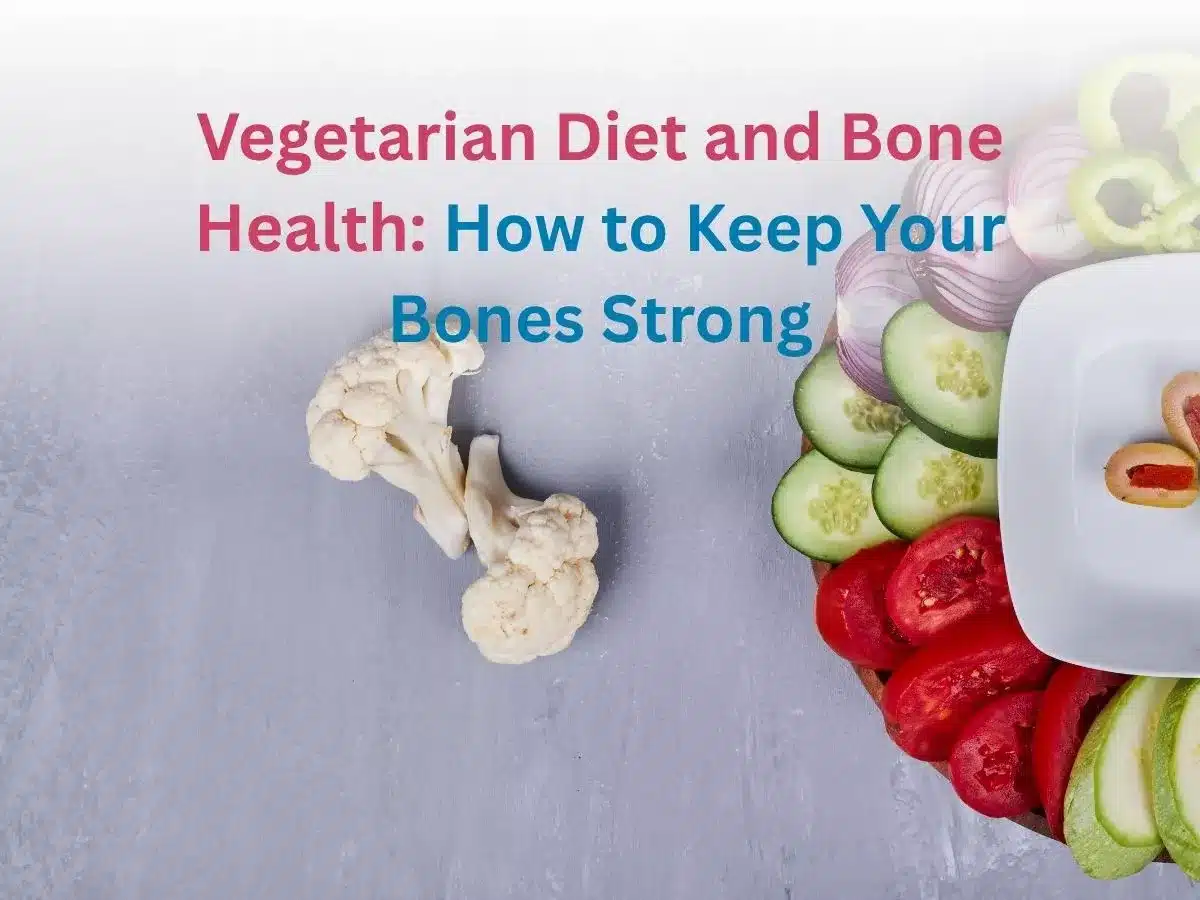
It has long been thought that you can have strong bones and teeth only if you drink milk or eat meat. This is a common misconception, as there are so many different plant based food options that contain enough calcium and other minerals in them- which together can help your bones function better and stay strong. So, let us look at some of the best foods for strong bones in this blog and understand why food alone is not enough- you need enough exercise too for your bones to stay healthy in the long term.
Yes! A Vegetarian Diet For Bone Health is Entirely Possible!
The thing to remember here- your body needs resources to grow and maintain its reserves, so that older tissue can be repaired or even replaced with newer tissue as needed. This is why you need to focus on getting enough micronutrients on a daily basis.
There are 5 main nutrients you need to eat enough of, for bone density improvement naturally. Where you get them from is not the issue- you just need the right amounts from you guessed it- plant or animal sources.
Calcium– You need about 1000 mg of calcium per day and this is highly achievable if you look at sources like tofu, paneer, tempeh etc. Other calcium rich vegetarian foods include-
- Many greens like moringa, fenugreek, amaranthus, spinach and agathi are very rich in calcium (anywhere between 400-1000 mg of calcium/100 grams).
- Veggies like drumsticks, beans, okra, broccoli and lotus stem are crunchy, delicious and calcium rich.
- Millets like ragi, sesame seeds and curd (if you eat dairy products).
- Milk (if you are not vegan)
- Nuts like almond, walnuts, chia seeds and brazil seeds.
Potassium– Potassium is highly essential for good bone health, as it helps decrease calcium loss in the body, which translates to more calcium being available for bone building. You will require about 2600-3400 mg of potassium daily. These are some foods you can try-
- Fruits like avocados, bananas, guavas, pomegranates, dried prunes and apricots
- Vegetables- spinach, colocasia, sweet potato, beetroot, tomatoes
- Legumes- kidney beans and lentils
Vitamin C– This water soluble vitamin is needed to make enough collagen- which is an integral part of all connective tissue in the body. Around 75-90 mg per day is recommended. Some well known sources include-
- Fruits- Gooseberries, oranges, lemons, mosambi, guavas, papayap
- Vegetables- capsicum, broccoli, greens, drumstick, chillies, tomatoes, cabbage, mustard leaves etc.
Vitamin K– Vitamin K works with Vitamin D to help proteins bind calcium better to bone matrix. You will need 90-120 micrograms per day. This means there is better bone density and lesser risk of developing fractures, with advancing age. Some well known sources include-
- Vegetables and greens- methi, moringa, mustard greens, coriander, cabbages, broccoli, okra
- Fats like ghee are excellent sources of Vitamin K2
- Fermented foods are rich in this vitamin.
Vitamin D– The connection between vitamin D and bone strength is well known- 15-20 micrograms of vitamin D is needed daily, for calcium to get absorbed, so that bone tissue can be repaired and made anew as and when needed. Vitamin D is a fat soluble vitamin and is found in-
- Mushrooms that have been exposed to the sun for some time.
- Fortified cereals and milks
- Paneer, ghee
- Eggs (if you eat them)
Conclusion
As you have seen, it is entirely possible to have strong bones, if you focus on eating a vegetarian diet for bone health. Thankfully, there are plenty of regional greens and vegetables for us to try, that are fresh and nutritious and easily available. There is no need to look for exotic ingredients, if you know what your body needs and understand how it can be obtained. You can also consider supplementation, after talking to an experienced specialist, based on your needs.
Frequently Asked Questions
How can vegetarians maintain strong and healthy bones?
What are the best calcium-rich vegetarian foods?
Do vegetarians need supplements for bone health?
Which tests are needed to check bone density?
Can a vegetarian diet prevent osteoporosis?